A park with 10 or more lots for rent is under the Florida Mobile Home Act, overseen by the Department of Business and Professional Regulation's mobile homes division.
In a park of 26 lots or more, the park owner must give each homeowner a prospectus or offering circular approved by the division, and a lot rental agreement made without it can be voided by the homeowner until 15 days after receiving it. A lot rent increase needs at least 90 days' written notice, and only a court can decide whether an increase is unreasonable. No park owner may charge an exit fee; homeowners may meet openly and may be represented by a committee of up to five; and a park that is closing for a change of use must give at least 6 months' notice. The Florida Mobile Home Relocation Corporation pays $3,000 for a single-section home or $6,000 for a multisection home to move.
Homes built after June 15, 1976, are built to the federal HUD code and carry a data plate showing the wind zone they are built for, and a home must never be set in a zone more demanding than its rating. Florida has wind zones II and III: Zone III is Broward, Charlotte, Collier, Miami-Dade, Franklin, Gulf, Hendry, Lee, Martin, Manatee, Monroe, Palm Beach, Pinellas and Sarasota counties, and the rest of the state is Zone II. Only licensed installers may set up a home, with a permit from the county building department, and homes in both zones need longitudinal ground anchors. The state's emergency managers say it is never safe to stay in a mobile home during a high wind event.
 01
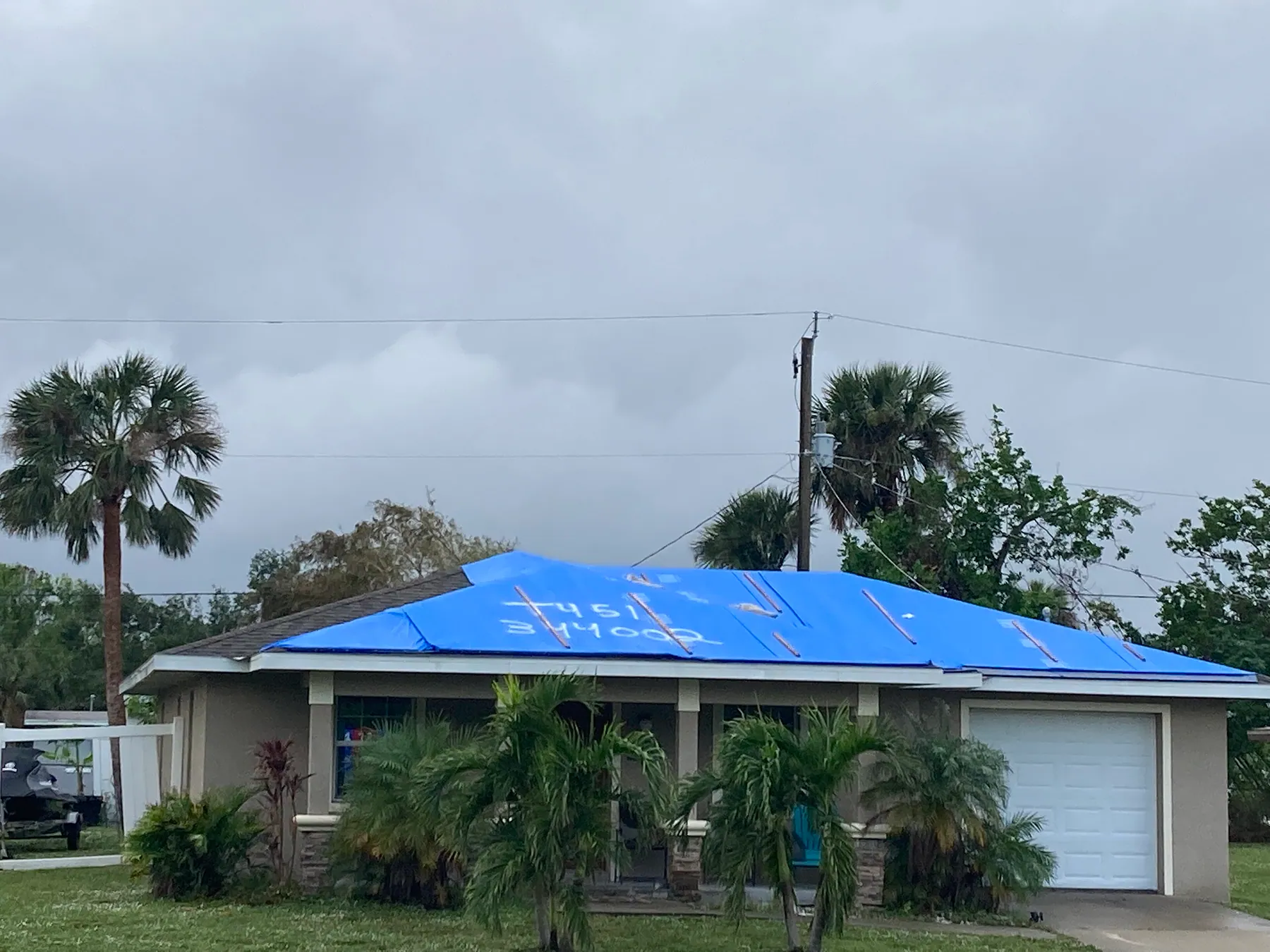
Why is home insurance so expensive in Florida, and how can I lower it?
Hurricane wind is the main cost in a Florida home policy, and the price is set by the address, the age and shape of the roof and how the house is built, so it can differ a great deal between two homes on the same street.
Read the answer →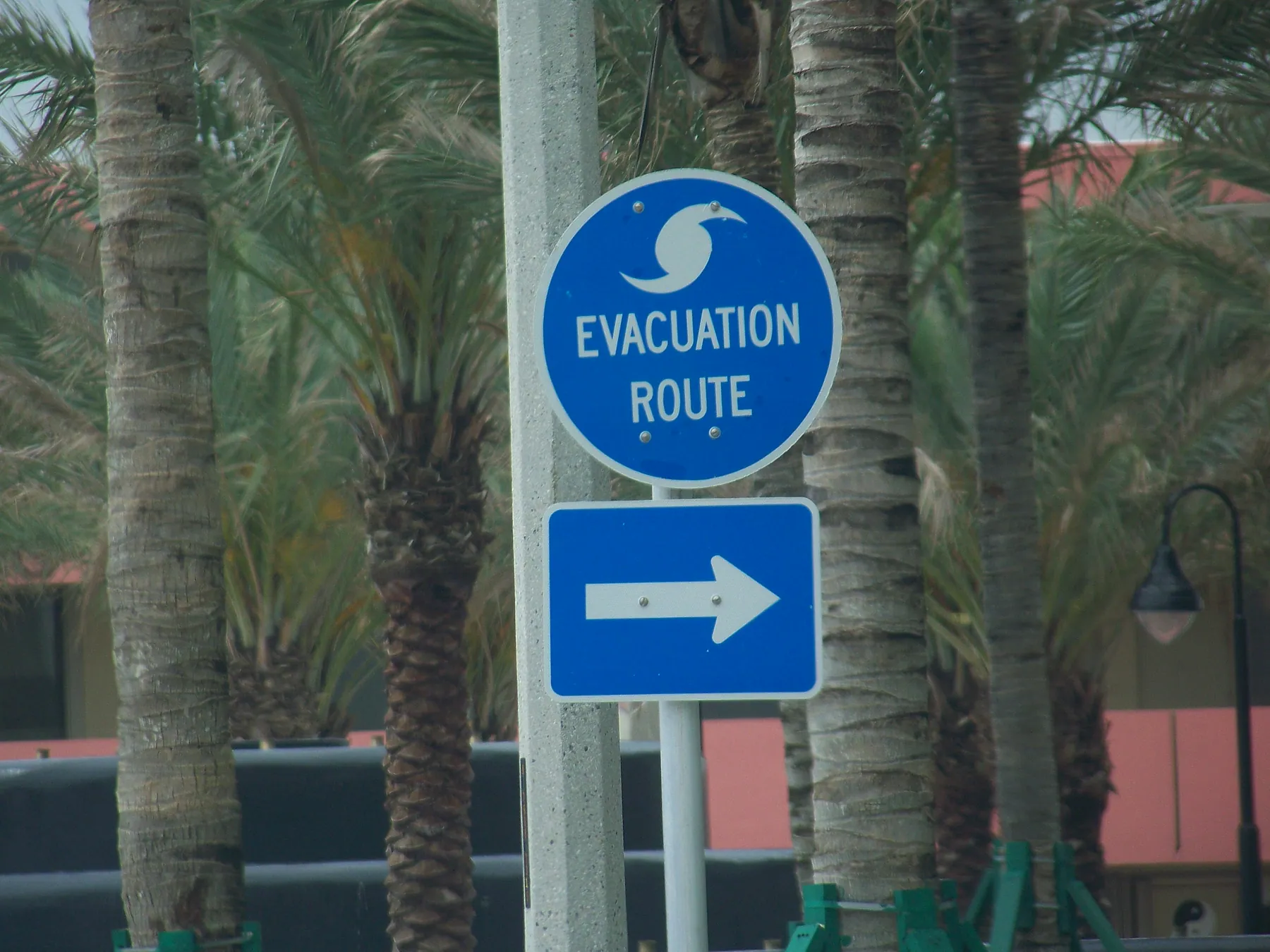 02
How do I find my hurricane evacuation zone?
Look it up by address on the Florida Division of Emergency Management's Know Your Zone map.
Read the answer →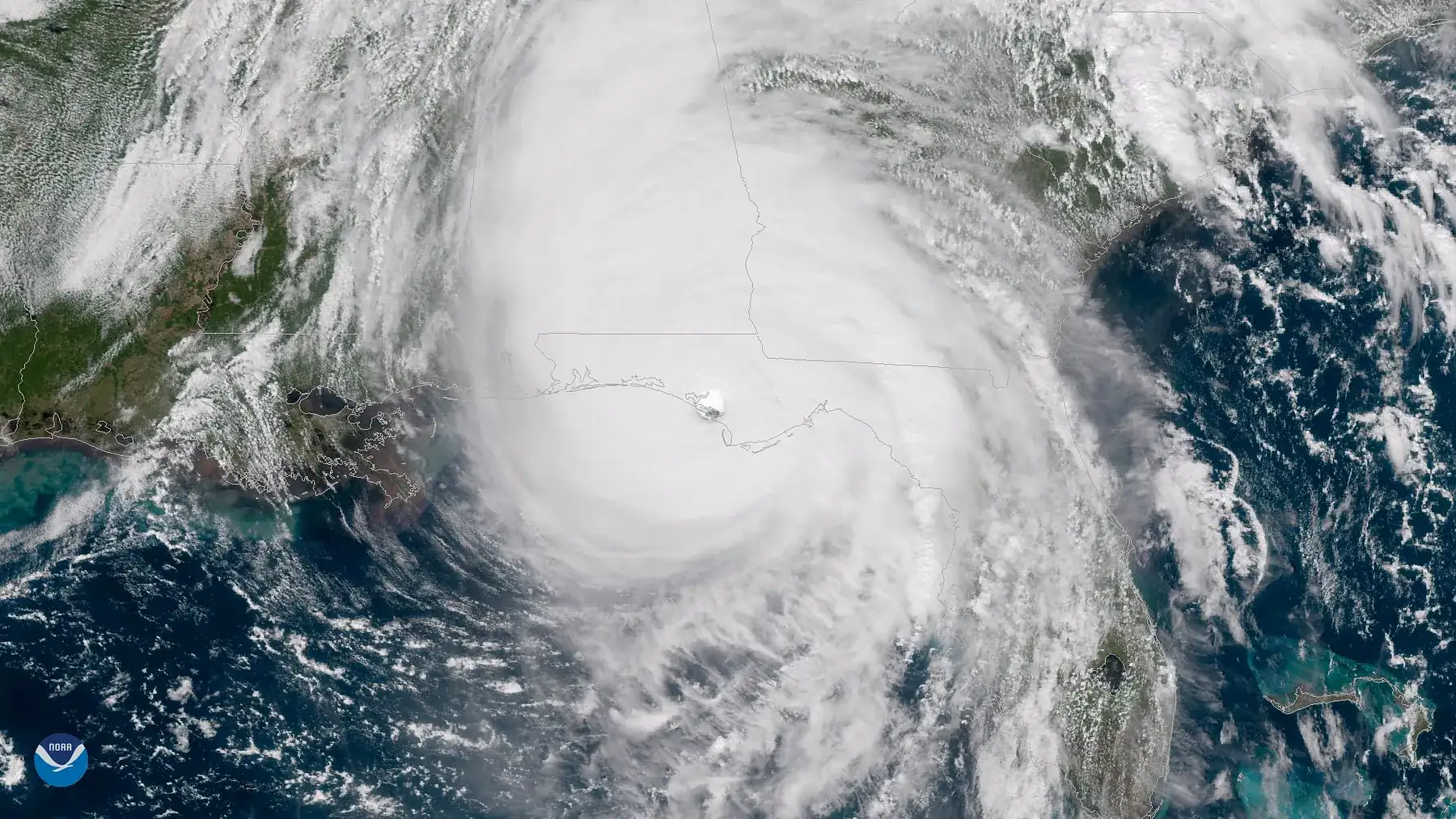 03
When is hurricane season in Florida, and how do I get ready?
Atlantic hurricane season runs from June 1 to November 30. The National Hurricane Center puts its peak on September 10, with most of the activity from mid-August to mid-October.
Read the answer →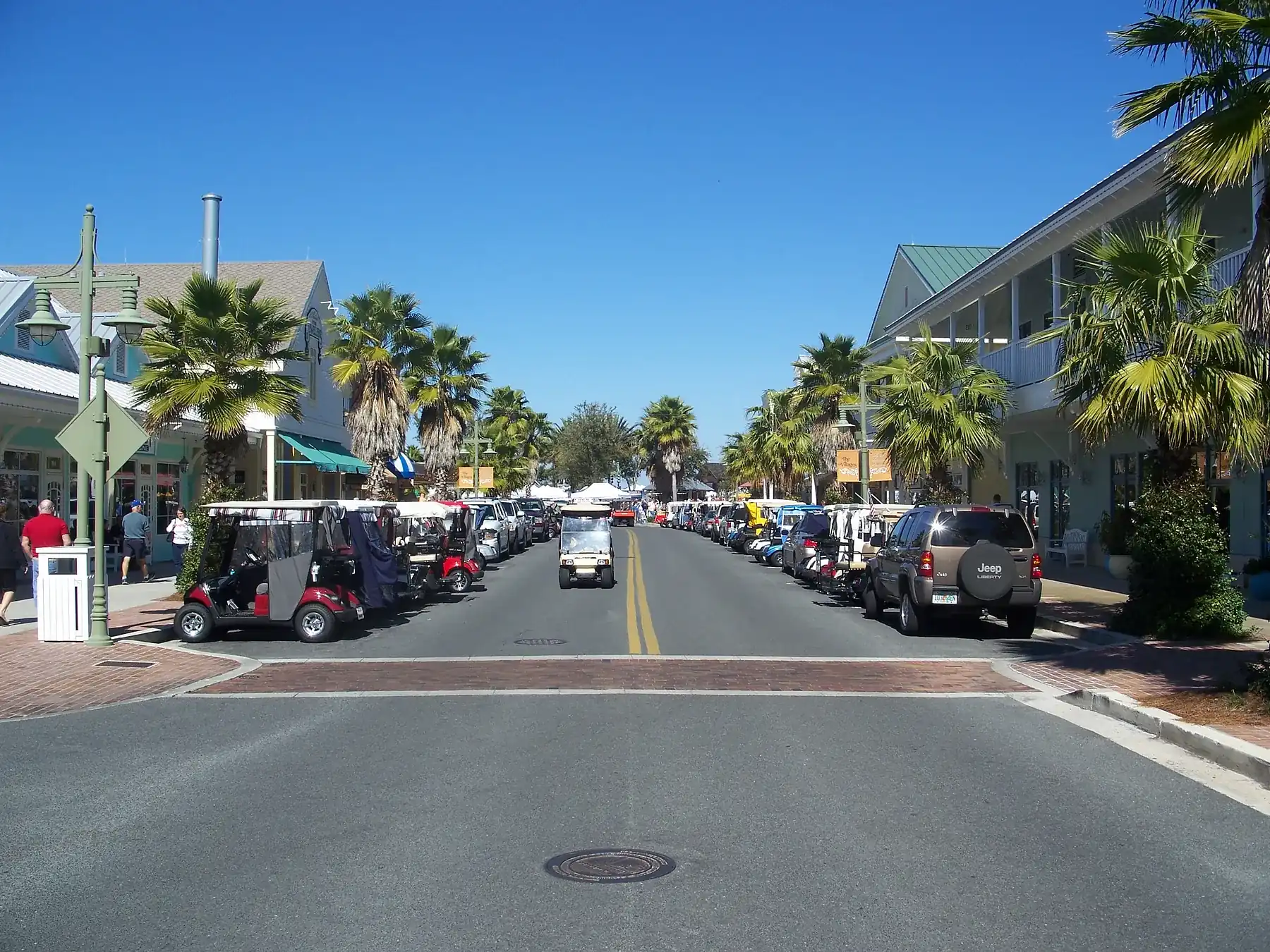 04
Where do retirees live in Florida?
Retirees are spread across the state, but some counties are far older than others.
Read the answer →