 01
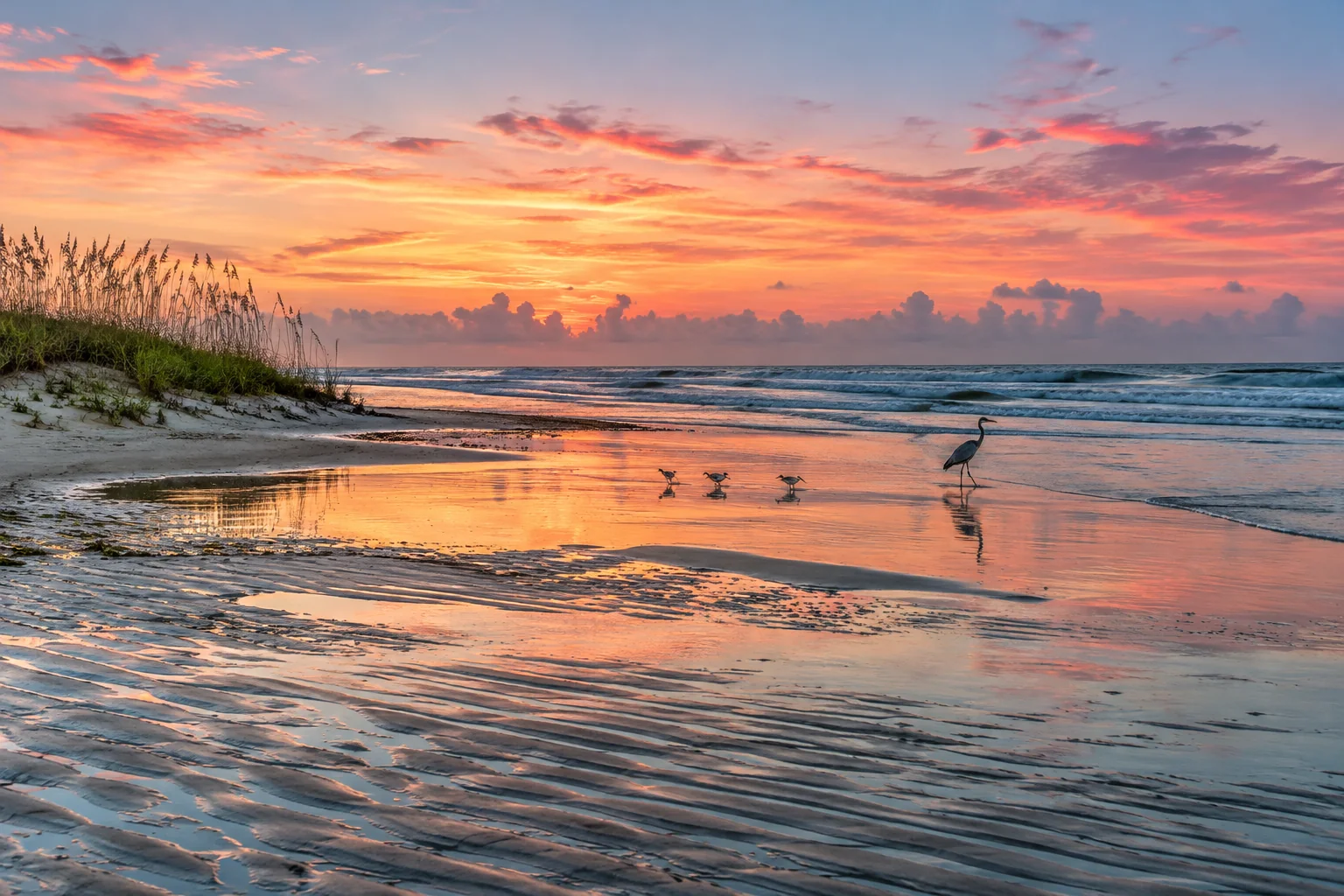
When is high tide in Florida?
It depends on where you are and what day it is: the times differ from one beach, inlet and bay to the next, and high tide comes about 50 minutes later each day.
Read the answer →Ask 1stFlorida
The Fish and Wildlife Conservation Commission's advice is about moving water more than high or low.
On the shallow flats, the incoming tide, in the few hours before high tide, can be the better time, because many fish move in toward the shore or the middle of the flat. The outgoing tide gives you a chance at the schools as they leave the flat for deeper water. For snook, the commission says to fish when there is current, preferably on the outgoing tide, and for the big ones to fish the bridges at night in the first two or three hours of the outgoing tide. It adds that days with four tides have stronger currents, while on two-tide days the currents are slow and the snook bite is weak. Look up the tide times for the nearest station before you go, and carry your fishing license.
01It depends on where you are and what day it is: the times differ from one beach, inlet and bay to the next, and high tide comes about 50 minutes later each day.
Read the answer →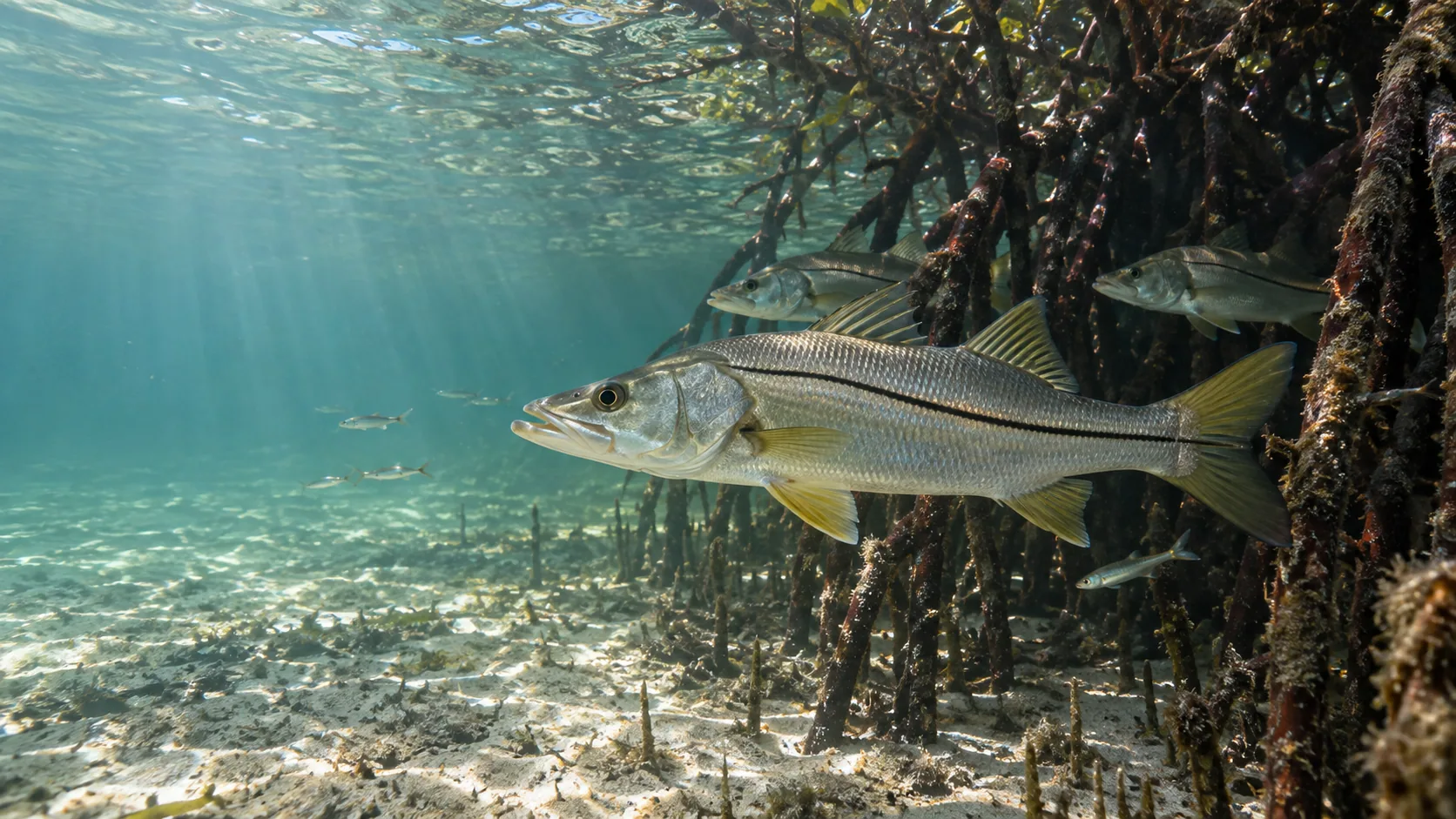 02
Snook sit against structure in moving water, so the inlets, bridges, jetties and passes are where you find them.
Read the answer →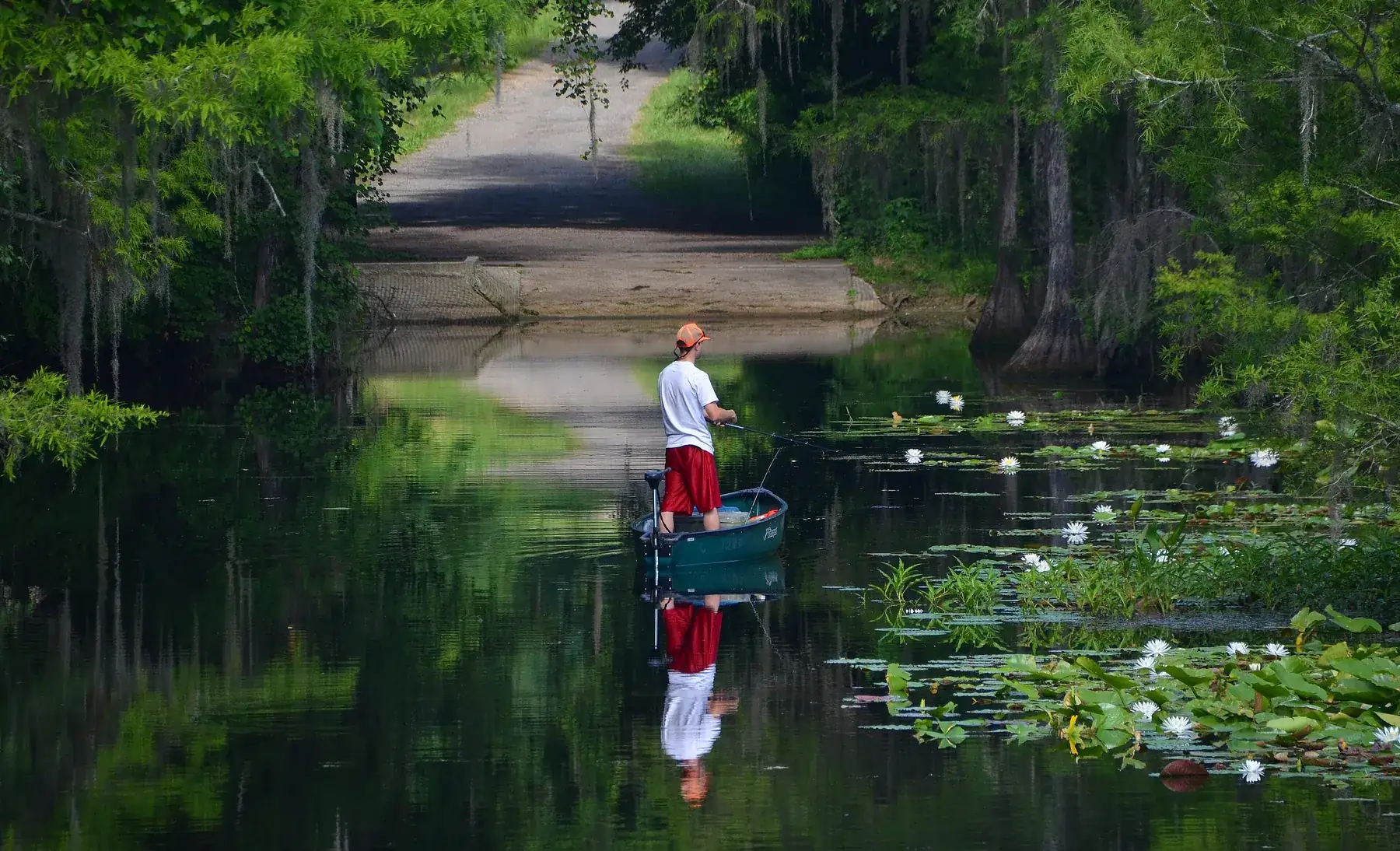 03
Yes, unless you are exempt: Florida requires a freshwater or saltwater fishing license, or both, for anyone 16 or older.
Read the answer →Yes. Anyone can catch shrimp for themselves in Florida's salt water with a recreational saltwater fishing license, unless they are exempt from needing one.
Yes, but only in waters the state classifies as approved or conditionally approved for shellfish harvesting, and only while they are open.
Public fishing piers save you a boat and a license in most cases, because a pier usually holds a blanket license that covers everyone on it.
Have a different question? Ask 1stFlorida →