 01
Where can you go scalloping in Florida?
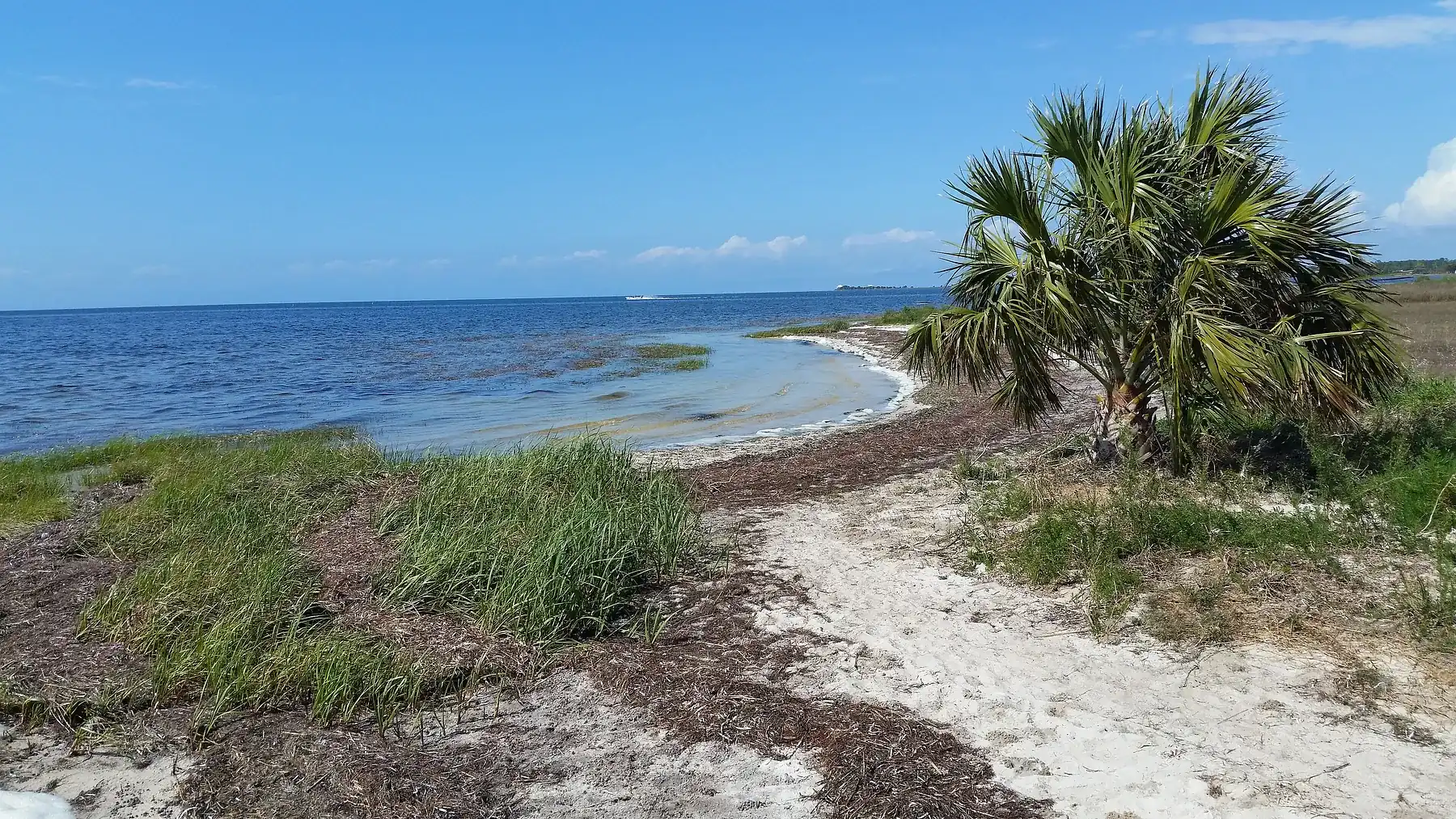
Bay scalloping is a Big Bend and Nature Coast thing, from Franklin County down to Hernando.
Read the answer →Ask 1stFlorida
Yes, but only in waters the state classifies as approved or conditionally approved for shellfish harvesting, and only while they are open.
The Florida Department of Agriculture and Consumer Services sets those areas for public health, and in any other water, including water that has never been classified, taking clams, oysters or any other shellfish is against the law all year. Areas open and close: a closing takes effect at sunset and a reopening at sunrise.
To see whether an area is open, look at the department's shellfish harvesting area status page for your coast, linked under this answer, or call its field office: the Atlantic coast from Fort Pierce Inlet in St. Lucie County north to Duval County, the Melbourne office, 321-984-4890; the southern Gulf coast from Boca Ciega Bay in Pinellas County to the Ten Thousand Islands in Collier County, the Port Charlotte office, 941-613-0954; the Big Bend from Horseshoe Beach in Dixie County to Citrus County, the Cedar Key office, 352-543-5181; the central Gulf from St. Joe Bay in Gulf County to Wakulla County, the Apalachicola office, 850-653-8317; and the western Gulf from Pensacola Bay in Escambia County to East Bay in Bay County, the Panama City office, 850-236-2200.
The Fish and Wildlife Conservation Commission's rules for hard clams: you need a saltwater fishing license unless you are exempt, and the season is open all year. Each clam must be at least 1 inch thick across the hinge, and the limit is 5 gallons of clams in the shell per person a day, or 10 gallons a boat. Dig them with your hands or feet, or with a rake or tongs whose teeth are at least 7/8 of an inch apart, and never use a rake in a seagrass bed. Sort the clams as soon as you take them and put the small ones back alive. Oysters have their own rules: at least 3 inches, by hand or tongs only, two bags a day per person or boat, whichever is less, a bag being two 5-gallon buckets; the season is closed statewide from July 1 through September 30, except in Dixie, Levy and Wakulla counties, which close from June 1 through August 31, and Apalachicola Bay has its own permit.
Coquinas and sunray venus clams have no bag or size limit of their own, and they are exempt from Lee County's ban on taking live shells and Manatee County's two-shell limit, but taking any shell with a living animal in it needs a saltwater fishing license. The Florida Department of Health warns that Vibrio vulnificus, a bacterium that lives naturally in warm, brackish seawater, is caught most often from raw or undercooked shellfish: cook clams thoroughly, do not eat raw shellfish, wear gloves to handle them, and keep open cuts out of warm salt or brackish water. The risk is highest for people with weakened immune systems, particularly chronic liver disease.
01Bay scalloping is a Big Bend and Nature Coast thing, from Franklin County down to Hernando.
Read the answer →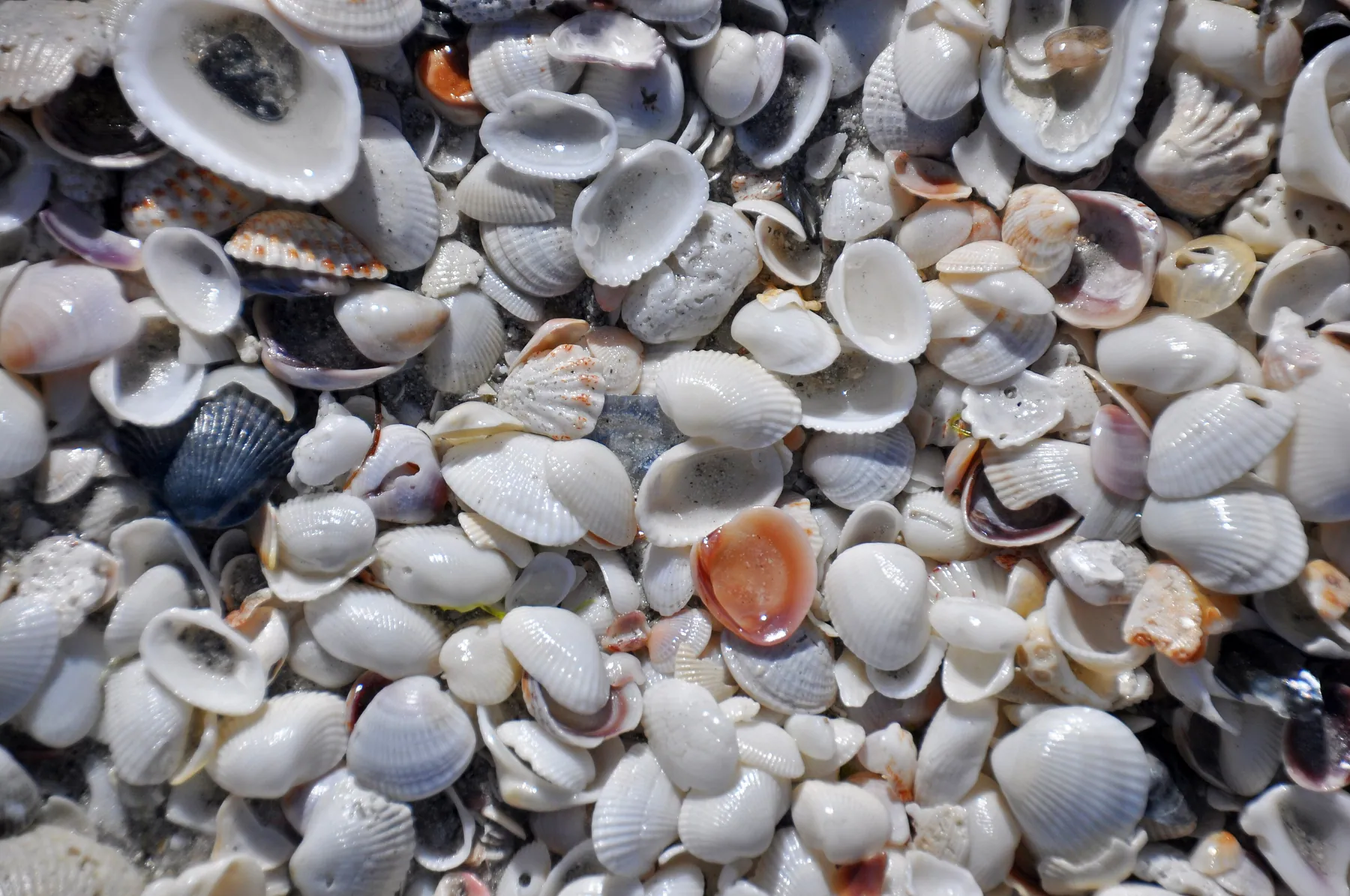 02
Sanibel Island in Lee County is the reason people fly in with a bucket.
Read the answer →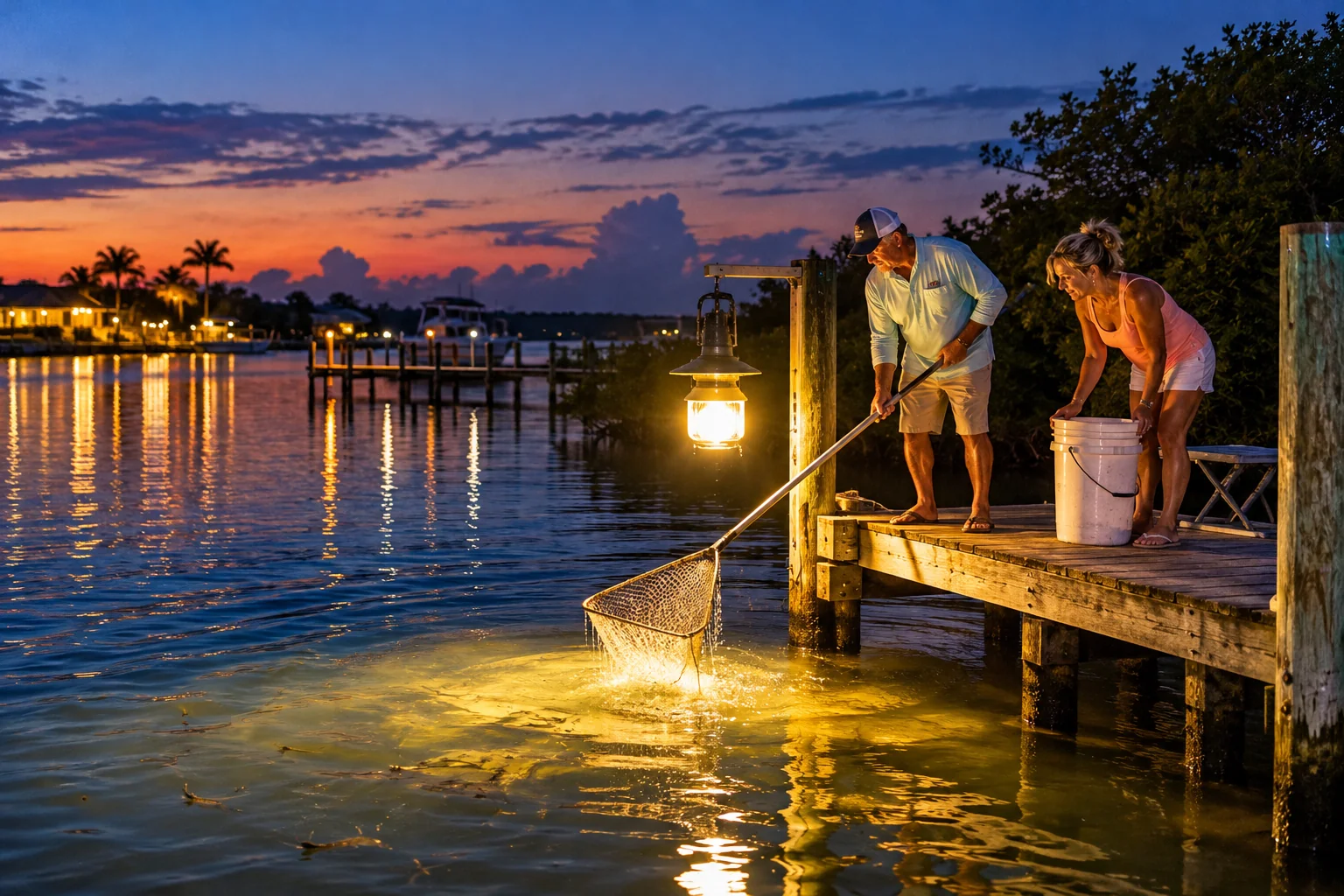 03
Yes. Anyone can catch shrimp for themselves in Florida's salt water with a recreational saltwater fishing license, unless they are exempt from needing one.
Read the answer →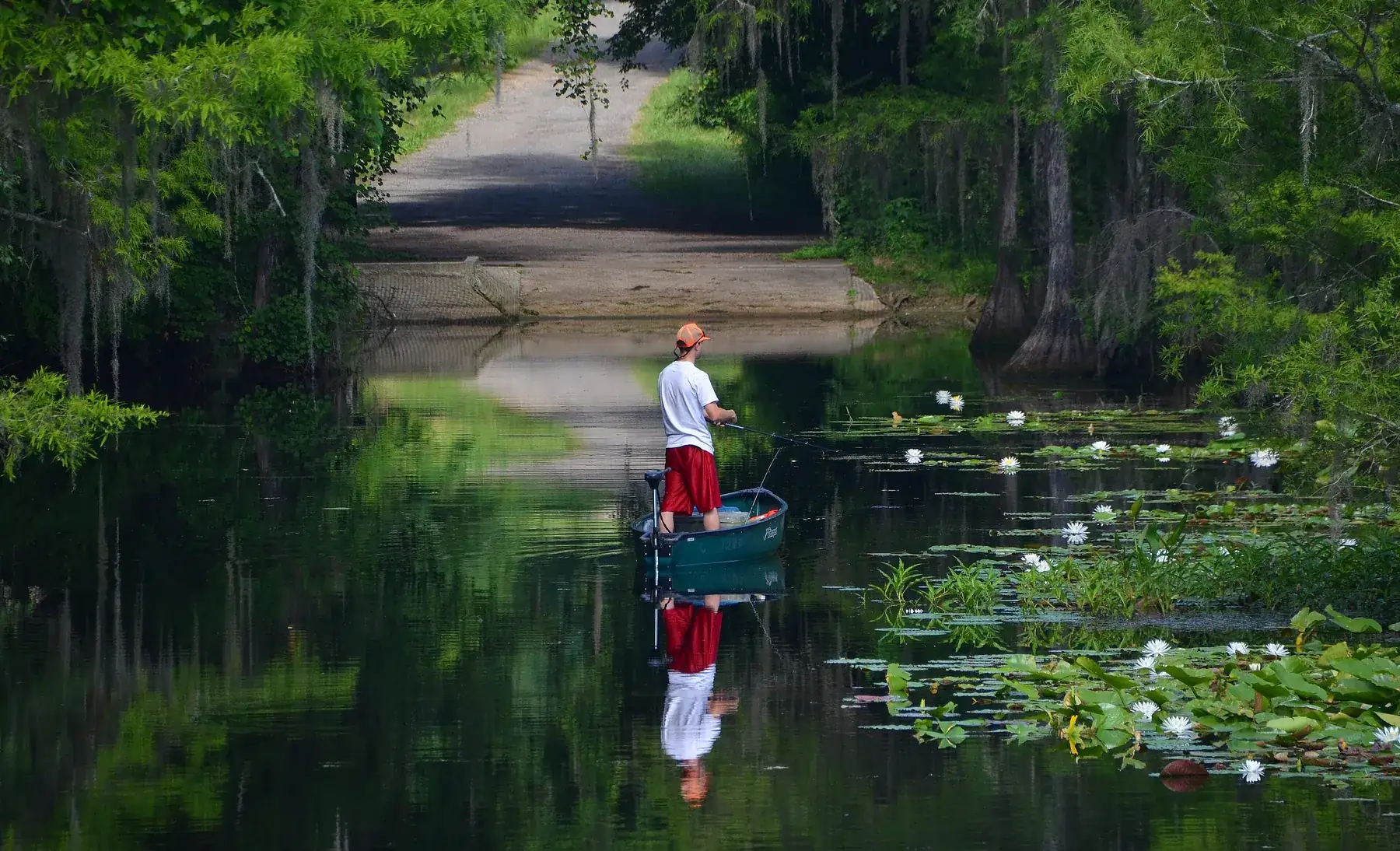 04
Yes, unless you are exempt: Florida requires a freshwater or saltwater fishing license, or both, for anyone 16 or older.
Read the answer →Public fishing piers save you a boat and a license in most cases, because a pier usually holds a blanket license that covers everyone on it.
Surf fishing works where the beach has structure - a trough, a bar, a cut, an inlet - rather than a flat sheet of sand.
Where the charter fleets are. On the Panhandle, Destin in Okaloosa County has one of the largest charter fleets in the country because the hundred-fathom curve comes closer to shore there than anywhere else in the Gulf, with Panama City in Bay County and Pensacola in Escambia close behind for red snapper and grouper.
Have a different question? Ask 1stFlorida →