From June through October the light comes from dinoflagellates, single-celled plankton, and July and August are the prime months. From November through May it comes from comb jellies, which flash as they drift past. Most people see it on a guided night kayak trip in Merritt Island National Wildlife Refuge or the Banana River Aquatic Preserve, and those trips fill up in the prime months, so book early. The darker the night the better, so check the moon first, although at the peak it shows up on almost any night.
Where to go from here.
 01
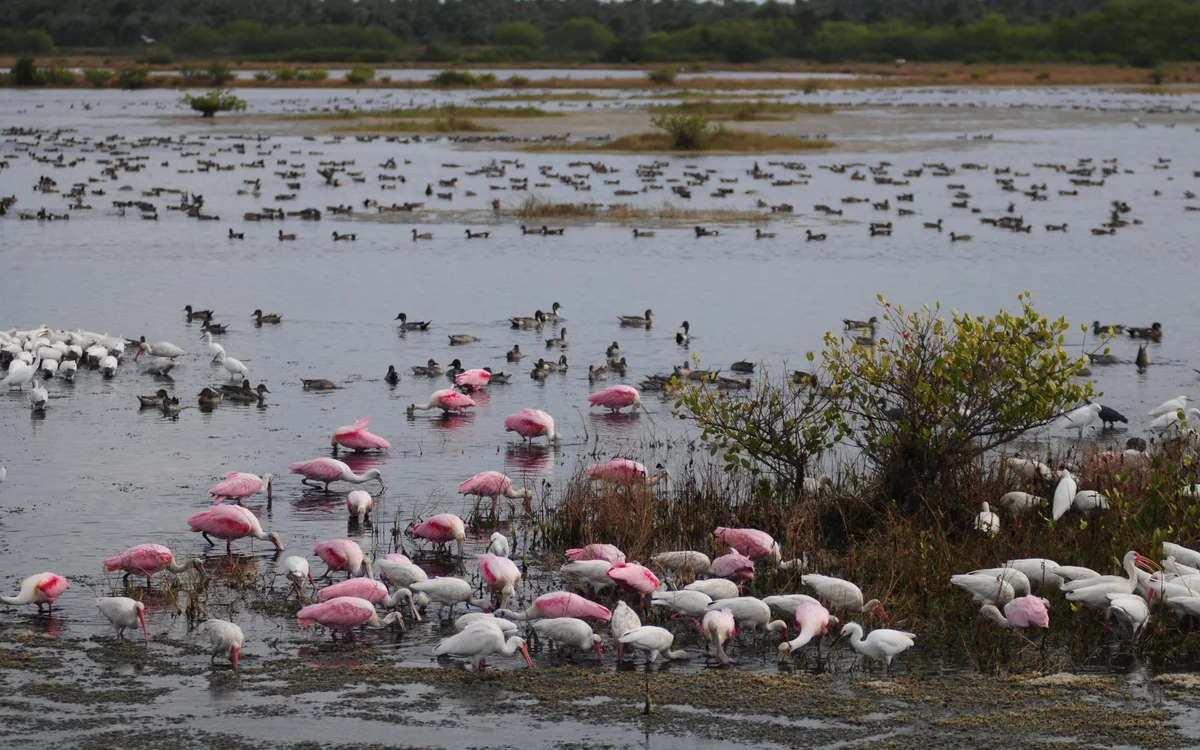
01Merritt Island National Wildlife Refuge
Brevard County. Merritt Island National Wildlife Refuge covers 140,000 acres of coastal dune, saltwater marsh and estuary about 60 miles east of Orlando, established in 1963 to protect migratory birds. It exists as an overlay of NASA's Kennedy Space Center, and under that agreement the land serves the space program first and the refuge second.
Open the guide →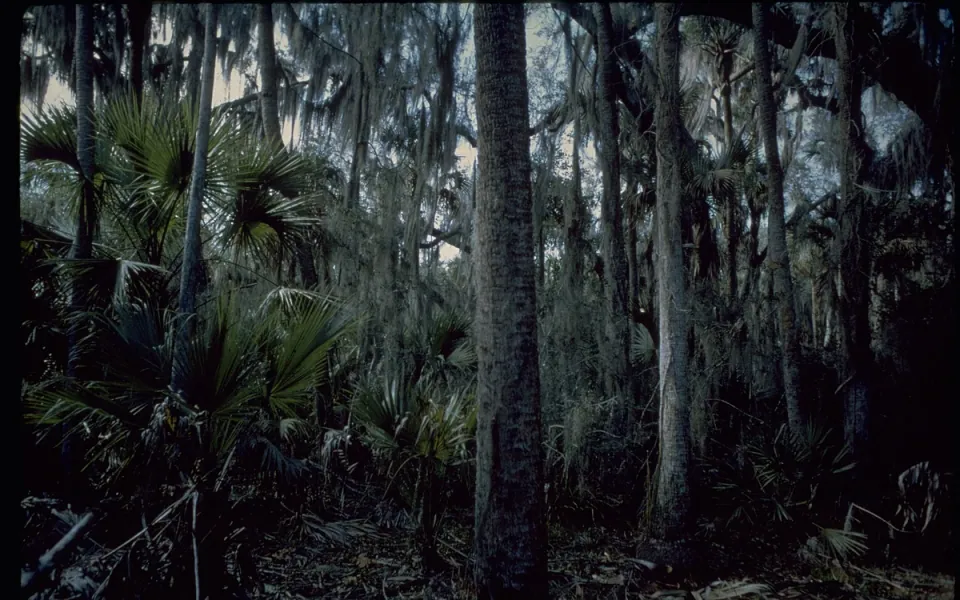 02
02Canaveral National Seashore
Brevard County. Canaveral National Seashore protects nearly 58,000 acres of barrier island, open lagoon, coastal hammock and pine flatwoods, including 24 miles of undeveloped beach that provides nesting ground for several thousand protected sea turtles.
Open the guide →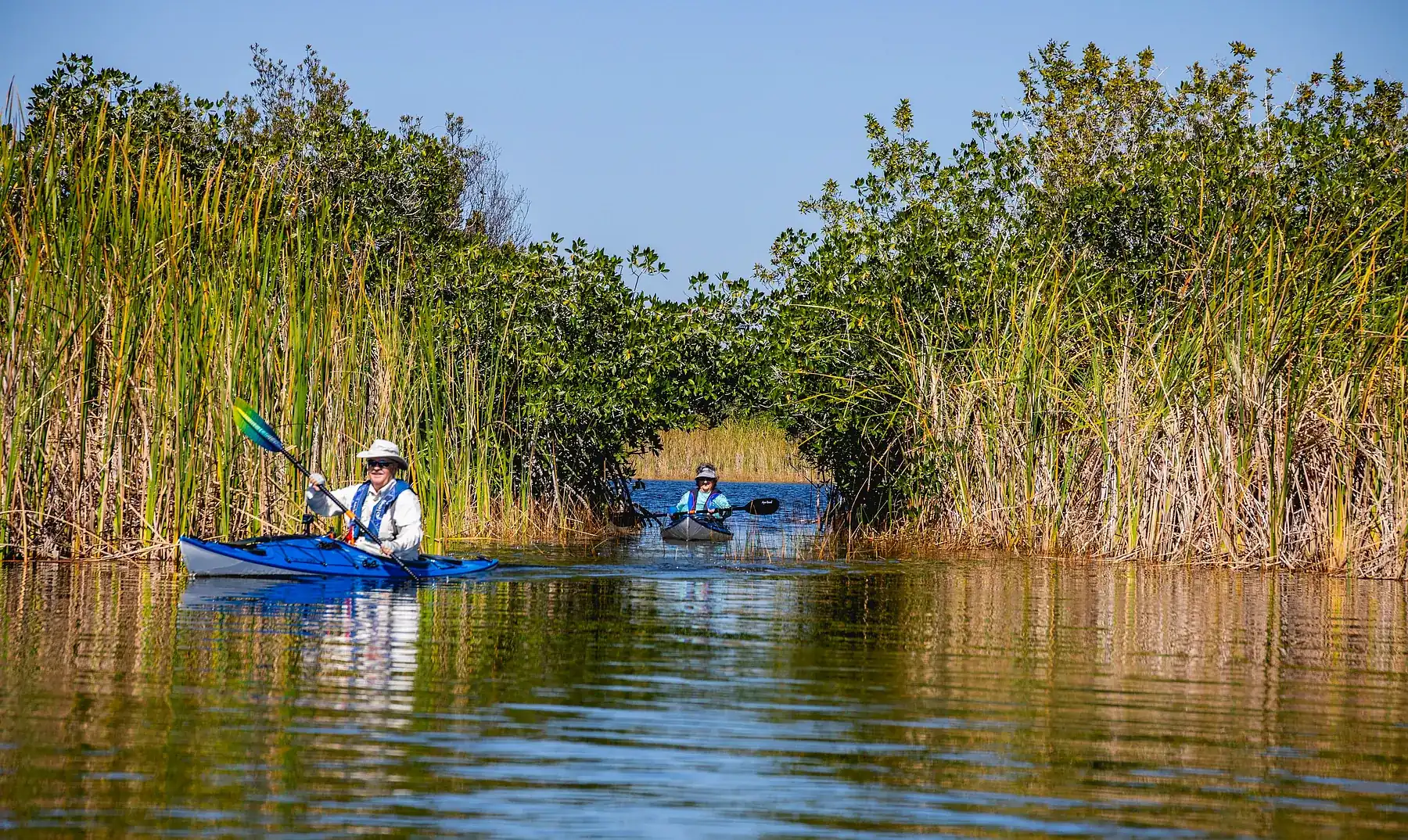 03
03Where is the kayaking in Florida?
Three kinds of kayaking, and Florida has all three. Mangrove backwater: Ten Thousand Islands and the Gulf Coast side of Everglades National Park in Collier County, Lovers Key in Lee, Weedon Island Preserve in Pinellas, Robinson Preserve in Manatee County.
Read the answer →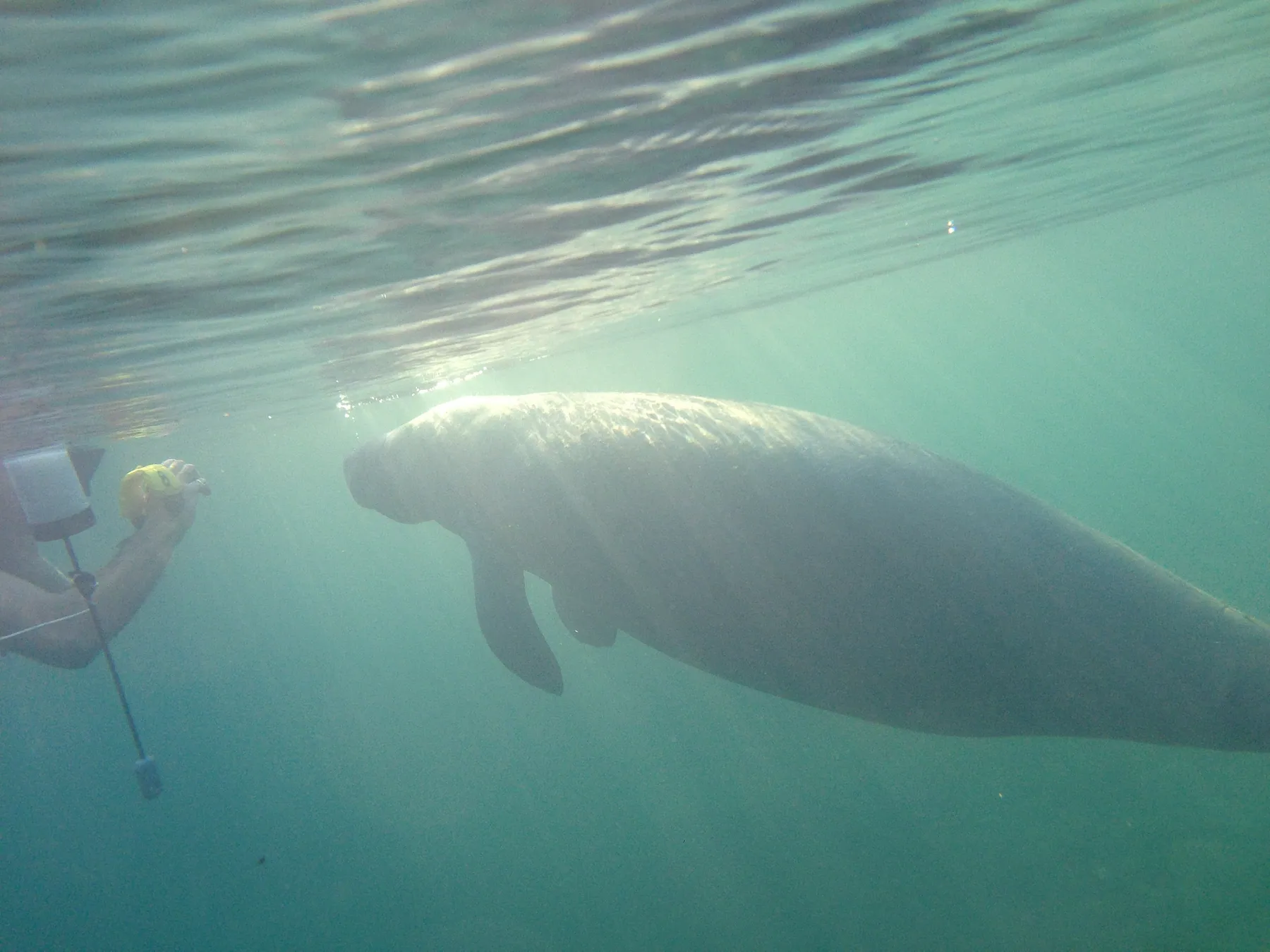 04
04Where can you see manatees in Florida?
Manatees cannot survive long in water below about sixty-eight degrees, so from November to March they crowd into the springs and the warm-water outflows, and that is when you see them in numbers.
Read the answer →More questions like this.
Yes. The Florida black bear is the only bear in the state, and the Florida Fish and Wildlife Conservation Commission estimates there are about 4,050 of them.
In the wild, rarely, and almost only in Southwest Florida. The Florida Fish and Wildlife Conservation Commission puts the population at about 120 to 230 adults, and most of the breeding animals, the females especially, live south of the Caloosahatchee River.
Yes, and more of them lately. American flamingos were native to Florida, gathering by the hundreds and thousands in the Everglades and Florida Bay, until the feather trade of the late 1800s nearly wiped them out.