 01
Where is the shelling in Florida?
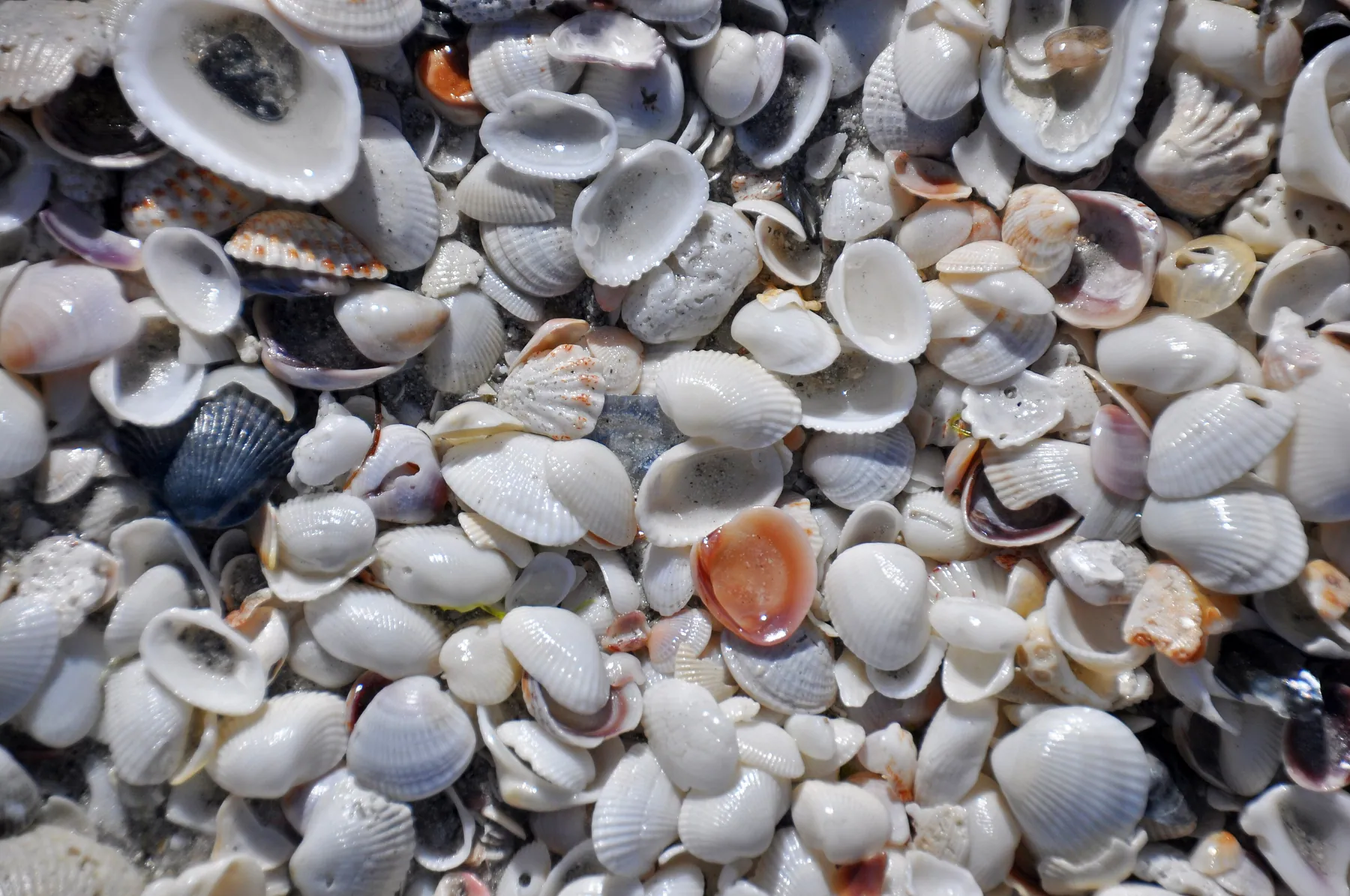
Sanibel Island in Lee County is the reason people fly in with a bucket.
Read the answer →Ask 1stFlorida
On many public beaches, between the high tide line and the foot of the dunes, but almost nowhere else on public land.
The Florida Division of Historical Resources says metal detecting on state land is generally not allowed, with few exceptions, and that parks, preserves and military beaches have their own rules, so ask the park or property manager first. Counties and cities set the rules for their own beaches and parks.
Florida State Parks allow metal detecting only in coastal parks, and only in the beach areas the park manager designates between the toe of the dune and the high-water line. It is not allowed under water. Anything with a historic connection, which the parks take to mean more than 50 years old, may not be kept. A detector may also be used, with park staff there, to find a personal item its owner can describe. National parks and national seashores, Canaveral National Seashore and Gulf Islands National Seashore among them, do not allow metal detectors at all under federal rules; one may be carried only taken apart or packed away so it cannot be used.
Florida law says historic objects abandoned on state-owned land, or on the state's land under the water, belong to the state. Removing or disturbing them without a permit is a first-degree misdemeanor, or a third-degree felony when it is done by digging, and the state may also fine up to $500 a day. If you find something that looks old, the Division of Historical Resources asks you not to disturb it but to photograph it and call its Bureau of Archaeological Research, 850-245-6444. Disturbing human remains is a felony; call the local police or the medical examiner.
Two county examples show how much the rules differ. Pinellas County allows metal detecting on its beaches but not elsewhere in its parks, and every hole dug must be filled. Palm Beach County does not allow it in its parks, beaches included. Check with the county or city before you go.
01Sanibel Island in Lee County is the reason people fly in with a bucket.
Read the answer →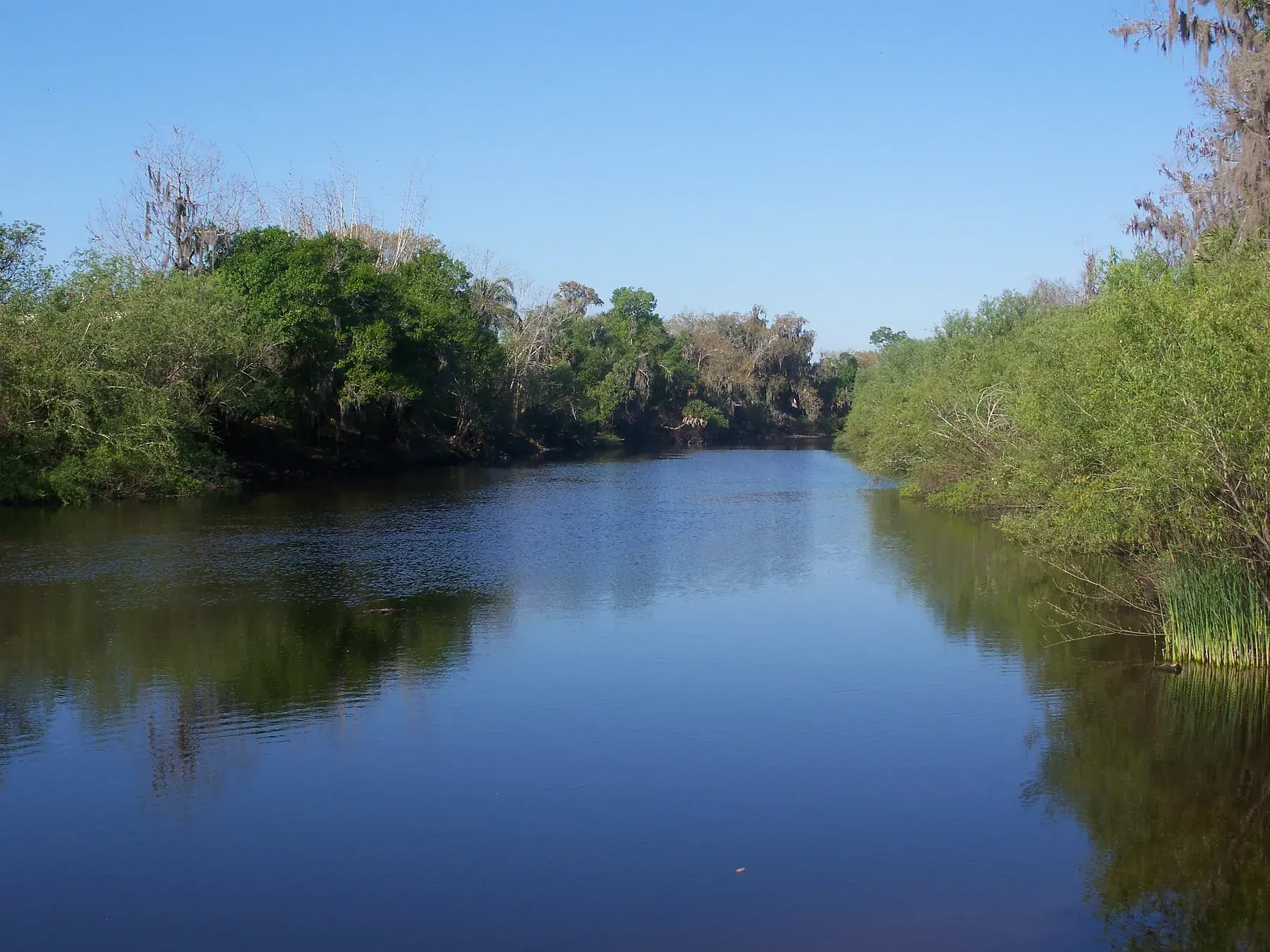 02
The Peace River, which runs south through Hardee and DeSoto counties past Zolfo Springs and Arcadia, is where Florida's fossil collectors go.
Read the answer →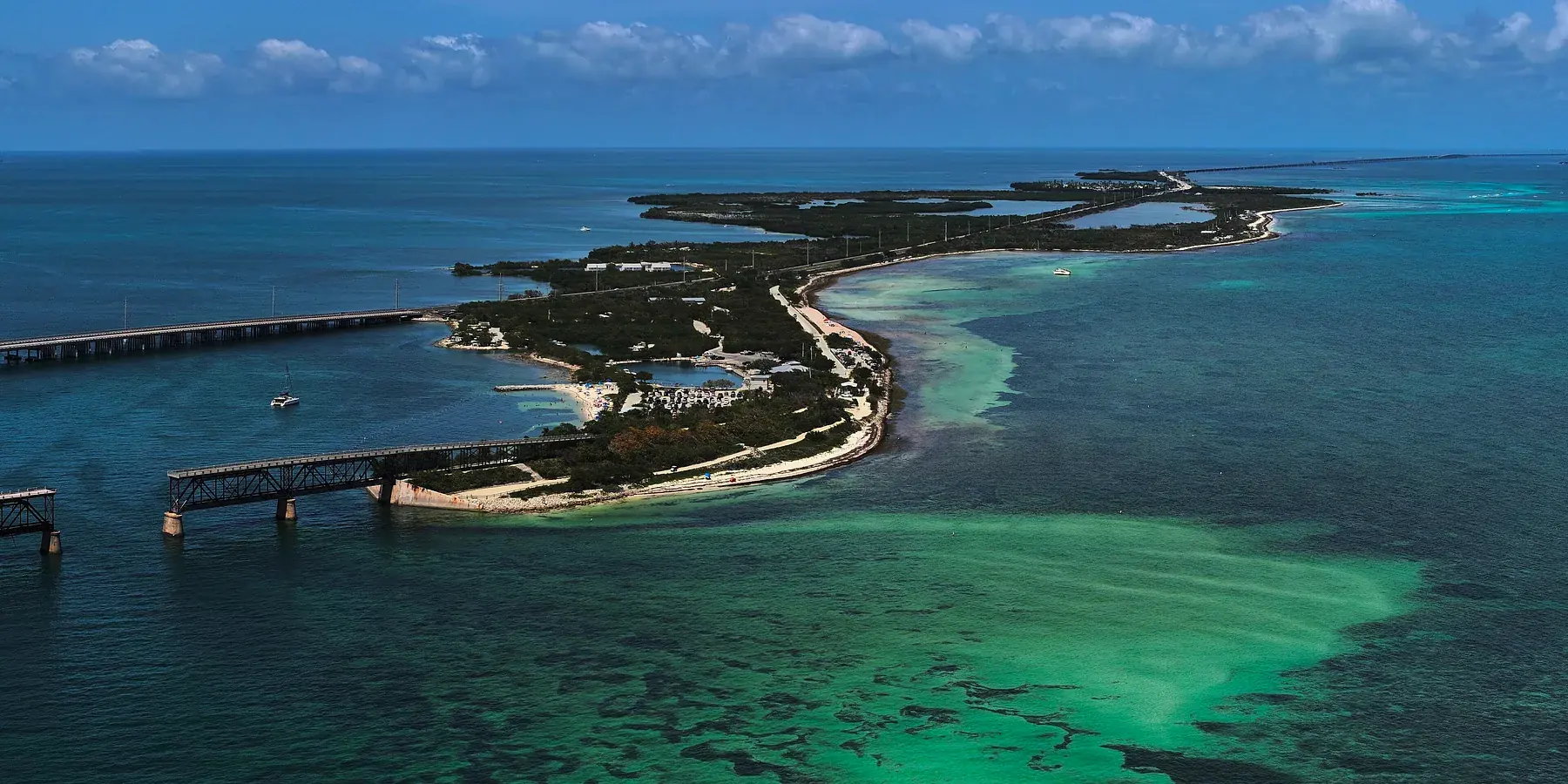 03
Florida has one of the larger state park systems in the country and a dozen or so carry a full day on their own.
Read the answer →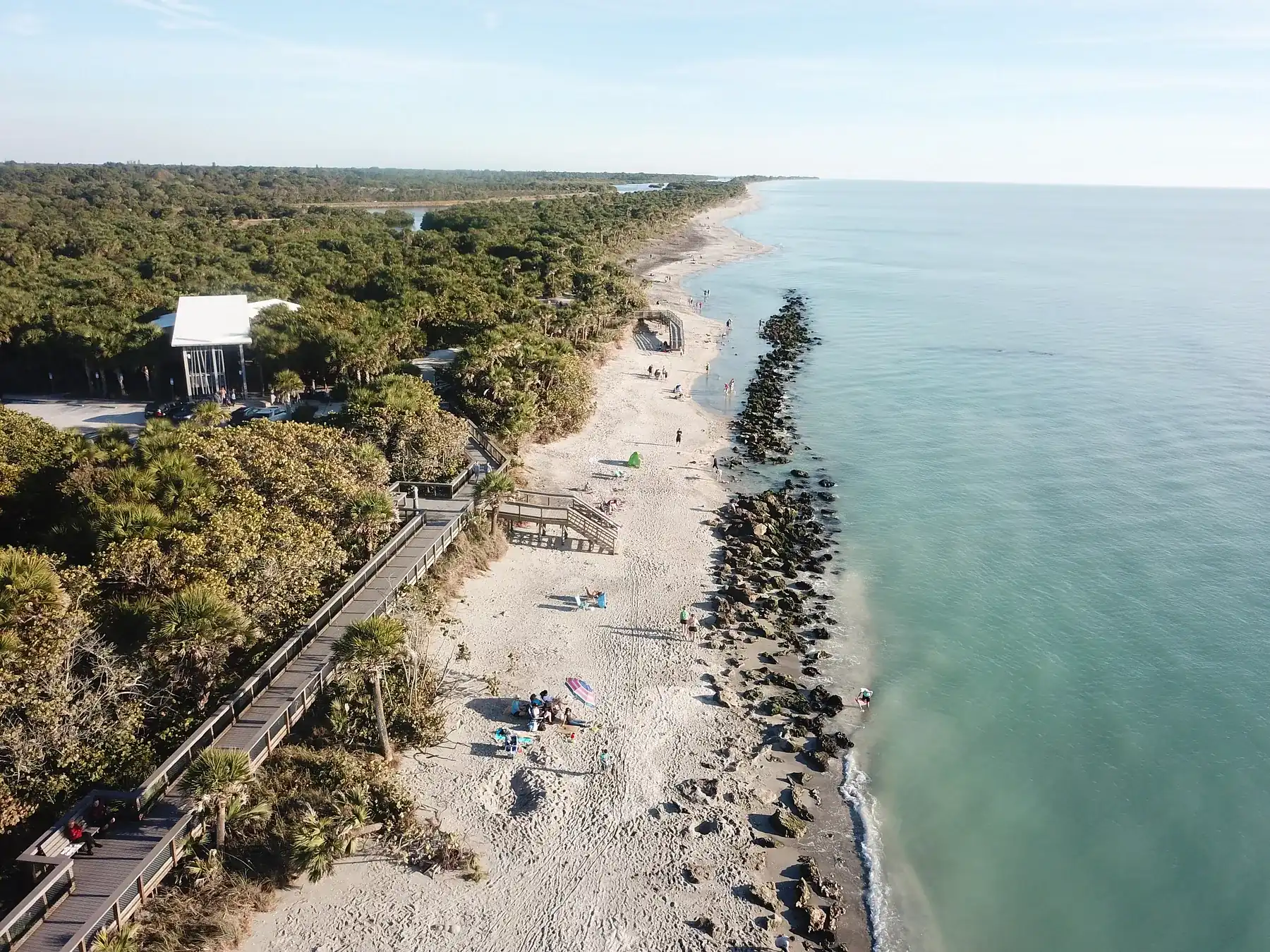 04
Venice in Sarasota County calls itself the shark tooth capital of the world, and its beaches back it up.
Read the answer →The white sand is on the northwest Gulf coast, in Walton, Okaloosa, Bay, Santa Rosa, Escambia and Gulf counties.
Siesta Beach on Siesta Key in Sarasota County is the one people name.
Two different answers, and the second one surprises people. On the coast, the clearest water is the Gulf off the Panhandle in calm summer weather, and the Keys - Bahia Honda, John Pennekamp and Dry Tortugas, where the water sits over sand and reef rather than river mud.
Have a different question? Ask 1stFlorida →